####
####Early Life
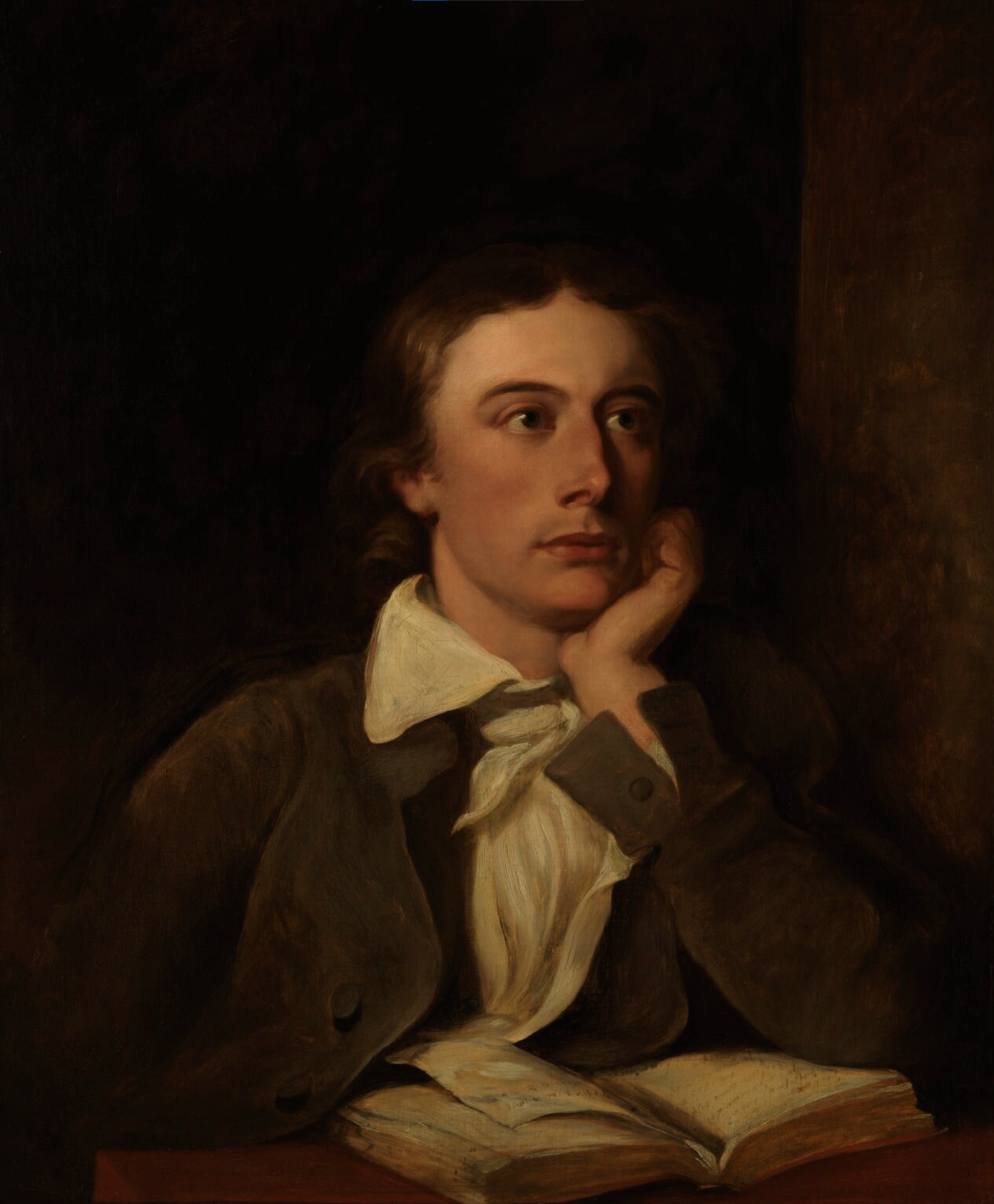
On October 31, 1795, Thomas Keats, a stable-keeper, and his wife Frances Keats delivered their first child, John Keats. Over the next few years they had four more children, George, Thomas, Edward (who died during infancy), and Frances Mary.
In 1803, John Keats was sent to Enfield, where he boarded at John Clarke’s school. It was here that Keats met Charles Cowden Clarke, a friend that would later become an important mentor. Clarke introduced Keats to Renaissance literature and encouraged his love for poetry (John Keats Biography).
In 1804, when John was merely eight years old, his father passed away after being trampled by a horse. Losing his father shaped John’s perception and forced him to understand suffering and loss at a young age (John Keats Biography). His death also caused financial hardship on the family, resulting in his mother remarrying a bank clerk named William Rawlings. Frances’ new marriage did not last long, and soon she left William and forfeited her late husband’s inheritance. The children were sent to live with their grandmother, Alice Jennings.
In 1810, when Keats was fourteen years of age, Frances passed away from tuberculosis. Keats’ Grandmother appointed Richard Abbey and John Rowland Sandell, two London Merchants, as guardians. At the young age of fifteen, Abbey withdrew Keats from the Clarke School to instead study medicine at a hospital located in London. Keats became a licensed apothecary in 1816, but he would never pursue the practice, instead deciding to write poetry.
####Early Career:
It was around this time when Keats met the editor for the Examiner, Leigh Hunt. Hunt supported Keats’ poetry and became his first publisher of his two sonnets, “On First Looking into Chapman’s Homer” and “O Solitude If I Must With Thee Dwell.” Hunt later introduced Keats to William Wordsworth and Percy Bysshe Shelley, both of whom influenced Keats’ first volume, Poems by John Keats published in 1817.
In the summer and fall of that year, Keats committed to writing 40 lines a day, and ended up completing his four thousand line poem, “Endymion.” This poem, along with other pieces, was met with unfavorable criticism. Despite the negative reviews, Keats continued to have confidence in his own talent (John Keats: Critical Essays).
In 1818, Keats spent his summer walking a tour in Northern England and Scotland. Keats had to return home to care for his brother Tom who had contracted tuberculosis. While Keats was nursing his brother, he met a woman named Fanny Brawne with whom he soon fell in love. Fanny Brawne inspired Keats’ poetry and wrote “When I have fears that I may cease to be,” and “Isabella; or, The Pot of Basil.”
Keats also wrote a poem called “Hyperion,” which was a Romantic piece inspired by Greek mythology, but he soon had to put it on hold when his brother passed away in 1819 from tuberculosis. Keats eventually returned to “Hyperion” and renamed it “The Fall of Hyperion,” which would not be published until 1856.
After his brother’s death, Keats also wrote five odes, including “Ode to a Nightingale,” “Ode to a Psyche,” “Ode on Melancholy,” “Ode on Indolence,” and “Ode on a Grecian Urn.
In the autumn of 1819, Keats contracted tuberculosis, and felt death was already upon him. He referred to his present state as his “posthumous existence” and he commented that it runs in his head that he and his siblings would all die young.
Keats continued to write with Franny Brawne, but soon became too ill to correspond with her directly. Keats’ illness and his literary ambitions prevented the two from ever getting married. Keats was encouraged to find a warm climate for the winter and he relocated to Rome with his friend, Joseph Severn. On February 23, 1821, John Keats died at the age of twenty-six. He was buried in a Protestant cemetery.
##Ode on a Grecian Urn
### By John Keats
I.
Thou still, unravish’d bride of quietness,
Thou foster-child of silence and slow time,
Sylvan Historian, who cans’t thus express
A flowery tale more sweetly than our rhyme;
What leaf-fringed legend haunts about thy shape,
Of Deities, or Mortals, or of both,
In Tempe or the Dales of Arcady?
What Gods or Men are these? What Maidens loth?
What love? what dance? what struggle to escape?
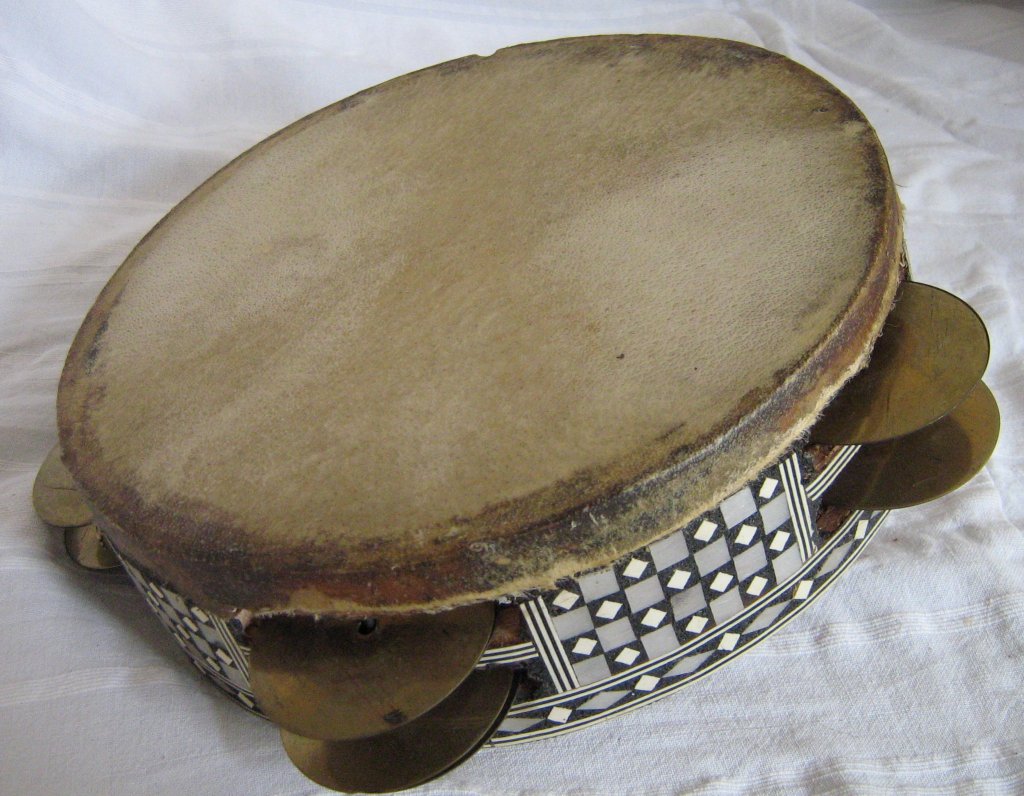
What Pipes and timbrels? what wild extacy?
II.
Heard melodies are sweet, but those unheard
Are sweeter; therefore, ye soft pipes, play on;
Not to the sensual ear but, more endeared,
Pipe to the spirit, ditties of no tone:
Fair Youth, beneath the trees thou cans’t not leave
Thy song, nor ever bid the spring adieu;
Bold lover never, never cans’t thou kiss
Though winning near the goal:—O do not grieve!
She cannot fade, though thou hast not thy bliss:
For ever wilt thou love and she be fair.
III.
Ah happy, happy boughs, that cannot shed
Your leaves, nor never, bid the Spring adieu;
And happy Melodist unwearied,
For ever piping songs for ever new;
More happy love, more happy happy love,
For ever warm and still to be enjoy’d,
For ever panting, and for ever young:
All breathing human Passion far above,
That leaves a heart high-sorrowful and cloyed
A burning forehead and a parching tongue.
IV.
Who are these coming to the sacrifice?
To what green Altar, O mysterious Priest!
Lead’st thou that Heifer lowing at the skies,
And all her silken flanks with garlands drest?
What little town by river or sea shore
Or mountain built with peaceful citadel
Is emptied of this folk this pious morn?
And little Town thy streets for evermore
Will silent be, and not a soul to tell
Why thou art desolate can e’er return.
V.
O Attick shape! Fair attitude! with brede
Of marble men and maidens overwrought,
With forest branches and the trodden weed,-
Thou silent form dost teaze us out of thought
As doth eternity! Cold Pastoral,
When old age shall this generation waste,
Thou wilt remain in midst of other woe
Than ours a friend to Man, to whom thou say’st
Beauty is Truth, Truth Beauty.—That is all
Ye know on Earth, and all ye need to know.
##Historical and Cultural Context of “Ode on a Grecian Urn”
####Urbanization
During the 19th century, Europe’s population doubled from 200 million to more than 400 million (Industrial Revolution). This was population increase was due to the Napoleonic Wars. After the wars ended, Europe stimulated the growth of cities. By the late 1800’s, the population had increased in European cities by 54% (Urbanization).
The growth of England was so rapid that the service of the cities could not keep up. Cities became known for their high crime rates, lack of sanitation, poverty, sewage accumulation, and high disease rates. Because the cities heavily relied on the use of coal mines, the coal created massive amounts of grime and dirt (Urbanization).
John Keats wrote “Ode on a Grecian Urn” in 1819, the same year his brother, Tom, passed away from tuberculosis. Keats was no stranger to tuberculosis, having also lost his mother to it early on in his life. During the turn of the century, tuberculosis, also known as the “White Plague” became an epidemic in England (Tuberculosis Epidemic).
Because urbanization was newly developed, many people lived in close quarters together within the cities. This allowed diseases to pass by freely between everyone, causing illnesses to become very contagious (Tuberculosis Epidemic).
With the rise of the population and urbanization of the city, John Keats thought about morality and the idea of leaving a mark in such a large environment. Because had experience with death among his family, he thoughtfully contemplated the idea of death. Keats later contracted Tuberculosis himself in 1920 at the age of twenty four. When Keats contracted the disease he continued to deeply think about death and the idea of mortality in a poetic setting. It was during his illness that he wrote some of his most prolific writing, including “Ode on a Grecian Urn” (John Keats Biography).
When patients contracted the Tuberculosis, doctors prescribed patients to be separated from the general public. John Keats was no different and was told to relocate to the country to get plenty of air. Keats relocated to Italy hoping to improve his illness by spending time within nature and away from society.
####Romantic Literary Movement
John Keats was a part of the romanticism literary movement. Romantic poets were interested in lyric poetry because of their theories on life. Many romantic poets were unhappy with their experiences in the real world and used poetry to escape (John Keats, Romanticism).
Many romantic poets emphasized the beauty of nature and the power the natural world had. (Romanticism and Nature). This same idea led Keats on his tour across England, and later his move to Rome. Because Keats spent his time outdoors and was ordered by the doctor to seek fresh air and move away from the city, Keats was well versed in nature. This natural idea is seen in Keats’ poem, “Ode on a Grecian Urn” because the narrator spends his time pondering the idea of beauty and art. Art is seen as an immortal, while nature and humanity was mortal, as seen in his life by urbanization and the death of loved ones from Tuberculosis (Classical Mythology: Keats).
####Greek Mythology
Another factor that inspired Keats’ poems was Greek mythology. Around the time Keats started to write about Greek mythology, it became scorned in literary circles. This was because of the many allegorical expresses, concrete symbols with non-material references, within the 18th century (Sheley).
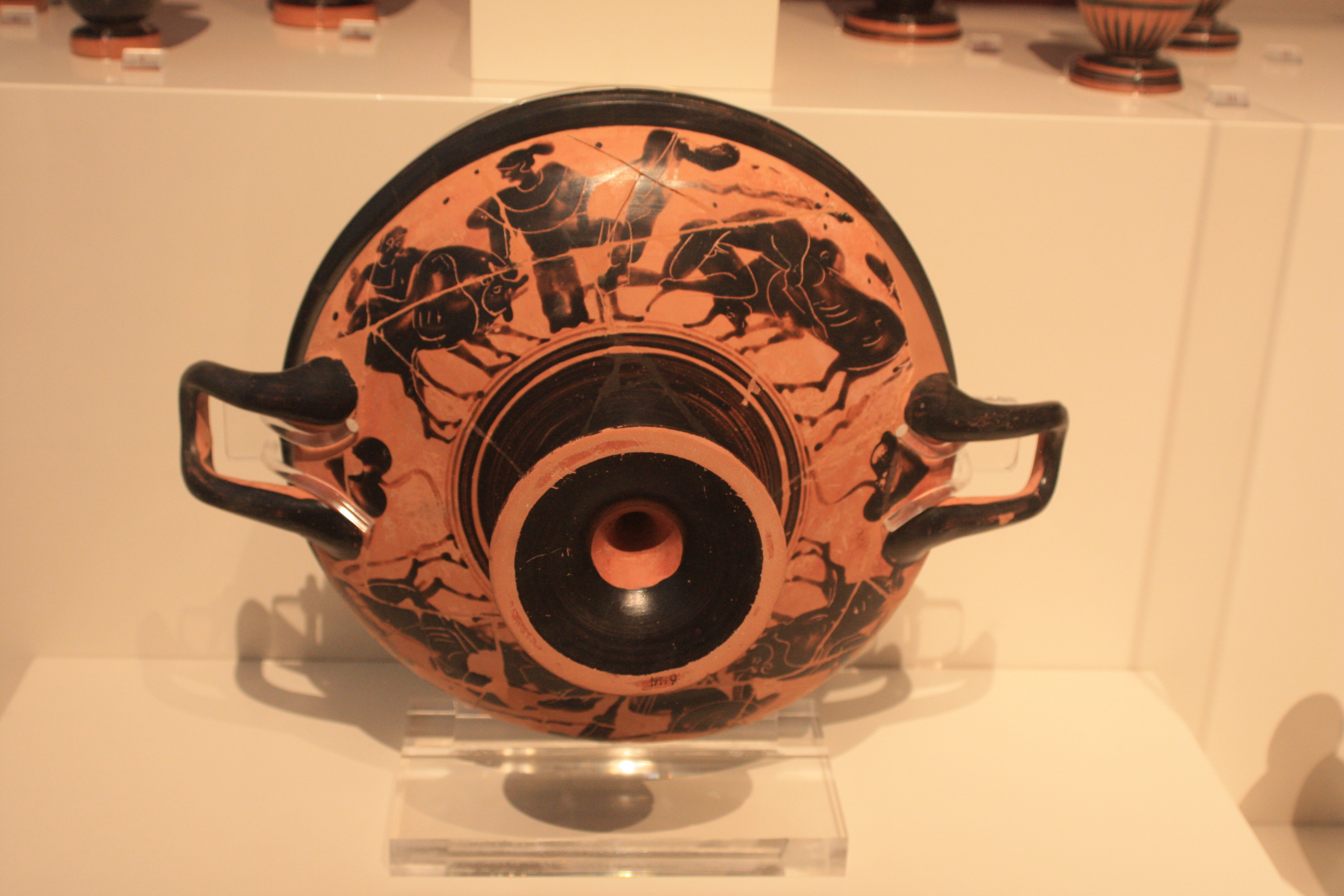
Despite this, Keats continued his interest in Greek mythology and can be seen in “Ode on a Grecian Urn.” The first stanza tells the classical Greek mythical stories and grounds the poem in the classical world. Keats does this by mentioning “Tempe” and the “Dales of Arcady,” which are both cities seen in Greek mythology. Keats also brings about the mythology of Syrinx or Daphne in the poem when he talks about the themes of struggling to escape and the use of the musical pipes and timbrels (Sheley).
Because the urn is mute within “Ode on a Grecian Urn,” Keats is able to rely on existing stories within Greek mythology and illustrate his thesis on beauty. The urn does not specifically state where it came from or what the markings on it means, but it does allude to a mythical storyline. The poem’s goal is not only a description of art, but also the narrator’s understanding of the artistic process. The urn’s ambiguity depends on the poem alluding to the Greek mythology behind its creation (Sheley).
## Scholarly links
Davis, Susan L. “John Keats and “The Poison”: Venereal or Mercurial?” Keats-Shelley Journal 53 (2004): 86-96. JSTOR. Web. 20 Feb. 2014.
Susan L. Davis explores John Keats last moments before his premature death in 1821. Davis brings light to the possible prevention of Keats death had he not been consuming mercury for over two years. The article also explores the question of why Keats was taking the
mercury, which was commonly prescribed for syphilis.
Havens, Raymond D. “Concerning the “Ode on a Grecian Urn”.” Modern Philology 24.2 (1926): 209-14. JSTOR. Web. 20 Feb. 2014.
Raymond D. Havens explores Keats’ views on immortality and mortality within “Ode on a Grecian Urn.” Havens speaks of Keats’ sorrow when dealing with beauty, and the idea that much of it does not last. The article also touches on these themes within Keats’ other odes.
Peterfreund, Stuart. “The Truth about “Beauty” and “Truth”.” Keats-Shelley Journal 35 (1986): 62-82. JSTOR. Web. 20 Feb. 2014.
Stuart Peterfreund explores the interpretation of the last few lines of Keats’ “Ode on a Grecian Urn.”Peterfreund also researches “Truth” in context of Keats’ era, and explores “Beauty.” The journal also provides arguments for the meaning of the last stanza within the poem.
Wigod, Jacob D. “Keats Ideal in the Ode on a Grecian Urn.” PMLA 72.1 (1957): 113-21. JSTOR. Web. 20 Feb. 2014.
Jacob D. Wigod argues that Keats’ odes offer an escape from the real world. Wigod goes on to explore the symbolism within “Ode on a Grecian Urn.” The journal also attempts to explain Keats’ intentions throughout the entire poem.
Booth, James. “Keats: ‘Ode on a Grecian Urn’.” Critical Survey 6.1/2 (1973): 59-64. JSTOR. Web. 20 Feb. 2014.
James Booth explains “Ode on a Grecian Urn” within the context of Keats’ life at the time it was written. Booth explains that during the time the poem was written, Keats had an acute awareness of disease and suffering. This idea led Keats to explore the contrast of beauty and imperfection within the world.
##Sources:
“Classical Mythology: Keats.” Literarism. Web. 18 Feb 2014.
“The Connection Between Romanticisim and Nature.” Wise Geek. Conjecture Corporation, 2014. Web. 18 Feb 2014.
“First publication of “Ode on a Grecian Urn,” 1820. From Annals of Fine Arts MDCCCXIX .” English 200 E: Reading Literature Through The Eyes of Editors. Web. 16 Feb. 2014.
“John Keats Biography.” Bio. True Story. A E Television Networks, LLC., 2013. Web. 18 Feb 2014.
“John Keats: Critical Essays.” E Notes. eNotes.com, Inc., 2014. Web. 18 Feb. 2014. “Industrial Revolution.” Princeton.edu. Web. 18 Feb 2014.
“John Keats, Romanticism.” Scribid. 27 Mar 2013. Web. 16 Feb 2014.
Sheley, Erin. “Re-imagining Olympus: Keats and the Mythology of the Individual Consciousness.” Erudit. Michael Eberle-Sinatra, 2007. Web. 18 Feb 2014.
Spitzer, Leo. “The “Ode on a Grecian Urn,” or Content vs. Metagrammar.” Comparative Literature 7.3 (1955): 203-25. JSTOR. Web. 19 Feb. 2014.
“Tuberculosis Epidemic Spurs Chronic Care Facilities.” Elder Web. ElderWeb, 2012. Web. 18 Feb 2014.
“Urbanization.” Sunysuffolk.edu. Web. 18 Feb 2014.